
Introduction: The Portal Within
Every day, we’re at war with distraction. Notifications. Deadlines. That endless, invisible pressure to do more. And yet, amid the noise, a whisper persists: “Be still.” Meditation, for millennia, has been that portal back to the present—an ancient, deceptively simple practice that has changed lives more profoundly than any technology ever has.
You’ve likely heard the success stories. CEOs. Monks. Navy SEALs. All crediting meditation with giving them clarity, resilience, and peace. But why is it so transformative? And more importantly—how do you actually meditate?
Let’s explore what the ancients knew, what modern science affirms, and how you can step into this simple, powerful practice. Not as a chore, but as a gift to yourself.
Why Meditate? The Tangible and the Transcendent
1. Mental Clarity
Meditation is like spring cleaning for your mind. Thoughts settle. Fog lifts. You get a glimpse of what your unclouded awareness feels like. Sam Harris calls this “waking up.”
2. Emotional Resilience
Life punches hard. But when you meditate, you don’t flinch as much. You observe instead of react. Joe Dispenza teaches this as decoupling emotion from memory—rewiring how you respond to the past.
3. Physical Benefits
Lower blood pressure. Better sleep. Enhanced focus. Modern neuroscience (and the Dalai Lama’s favorite labs at Harvard and MIT) confirm what monks have known for centuries: your mind shapes your biology.
4. Spiritual Depth
Whether or not you believe in God, meditation connects you to something bigger. Thomas Campbell frames it as aligning with the larger consciousness system. Michael Singer calls it relaxing into the seat of Self.
Top 3 Methods of Meditation: Deep Dives & How-To Guides
Let’s break down the three most powerful and popular forms of meditation. Each works, but one might fit your mind like a custom-tailored suit.
1. Mindfulness Meditation (Vipassana)
Origin: Theravāda Buddhism, popularized in the West by teachers like Jack Kornfield and Joseph Goldstein. Sam Harris teaches a secular version.
Purpose: See reality clearly. Be with what is.
How-To Guide:
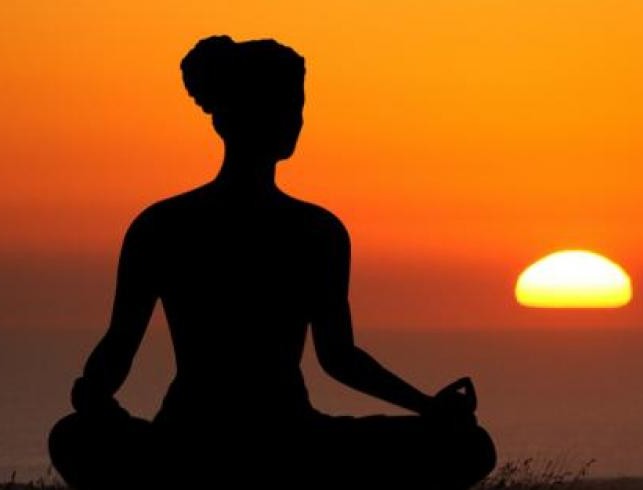
- Posture: Sit comfortably. Spine upright but not rigid. Hands resting on knees or in your lap.
- Focus: Bring attention to your breath. Just the sensation of air entering and exiting.
- Noticing: When your mind wanders (it will), simply notice it and gently return to the breath. No judgment.
- Labeling (Optional): You can silently note “thinking,” “feeling,” or “hearing” as phenomena arise.
- Duration: Start with 10 minutes. Increase gradually. Consistency > duration.
Wisdom Nugget: “You are not the voice in your head. You are the one who hears it.” — Michael Singer
2. Loving-Kindness Meditation (Metta Bhavana)
Origin: Also rooted in Buddhism. Deepak Chopra has merged this with heart-centered practices in modern teachings.
Purpose: Cultivate compassion and dissolve barriers between self and other.
How-To Guide:
- Begin with Yourself: Sit comfortably. Bring to mind a feeling of warmth. Repeat silently: “May I be happy. May I be safe. May I be free.”
- Extend Outward:
- To a loved one: “May they be happy…”
- To a neutral person.
- To someone you’re in conflict with.
- To all beings.

- Visualize: Imagine light or warmth extending from your chest to others.
- Embrace Emotions: If resistance or emotion arises, stay with it. That’s where healing happens.
3. Transcendental Meditation (TM)
Origin: Rooted in Vedic tradition, brought to the West by Maharishi Mahesh Yogi. Popularized by The Beatles, Oprah, and Ray Dalio.
Purpose: Go beyond thought. Rest in pure consciousness.
How-To Guide:
- Get a Mantra: A meaningless sound or word (traditionally given by a trained teacher, but for beginners, choose something neutral like “Om” or “Ah-hum”).
- Sit Comfortably: Close your eyes gently. No effort.
- Repeat Silently: Let the mantra echo in your mind without force.

- Let Go: When thoughts come, let them pass like clouds. Gently return to the mantra.
- Twice Daily: 20 minutes in the morning, 20 in the evening is the traditional cadence.
Wisdom Nugget: “You don’t try to transcend. You allow it to happen.” — Maharishi
Which One Should You Choose?
- If you want grounded awareness: Mindfulness.
- If you crave more compassion: Loving-Kindness.
- If you seek deep stillness and clarity: TM.
You can rotate. Mix. Experiment. Like finding your favorite guitar tuning.
Final Thoughts: Meditation Isn’t a Hack. It’s a Homecoming.
We often approach meditation like a productivity trick. But the real benefit isn’t more output. It’s more you. More of your unfiltered awareness. Your peace. Your joy. Your presence.
As the Dalai Lama puts it: “If every 8-year-old in the world is taught meditation, we will eliminate violence from the world within one generation.”
That’s not hyperbole. That’s the power of stillness.
So start today. Breathe. Be still. Be here.
The portal is always open.