10 Things to Do to Prepare for a Marathon And the Best Products to Help You Succeed
Running a marathon is a feat of endurance, mindset, and preparation. Crossing that finish line isn’t just about race day — it’s about every smart choice you make leading up to it. Here’s a deep guide to setting yourself up for success, featuring practical advice and trusted products to keep your energy steady, your body strong, and your mind focused.
1. Build a Sustainable Training Plan
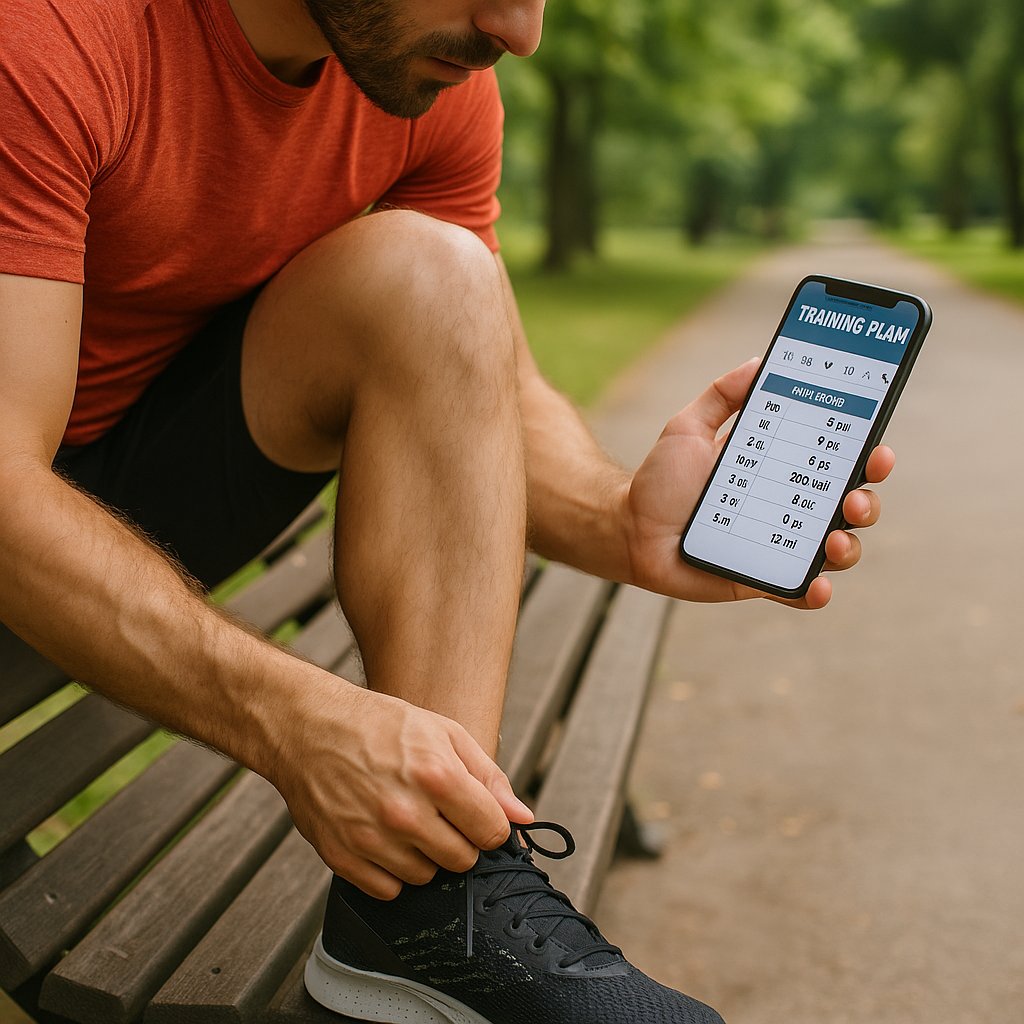
A marathon is not something you can cram for. A structured plan builds your mileage gradually, giving your body time to adapt and avoid injury. Find a plan that fits your fitness level — beginner, intermediate, or advanced — and stick to it as consistently as possible. Include long runs, tempo runs, rest days, and cutback weeks to let your legs recover. Tracking tools like TrainingPeakshelp you analyze your pace, heart rate, and progress so you can adjust as needed.
Strong hips, glutes, and core muscles stabilize your stride and reduce the stress on your joints. Many runners skip strength training — don’t be that runner. Aim for two to three short sessions per week. Use bodyweight moves or light resistance bands. A TRX Suspension Trainer is a portable powerhouse that lets you do planks, rows, squats, and lunges anywhere, ensuring you build functional strength that translates to smoother, injury-free miles.
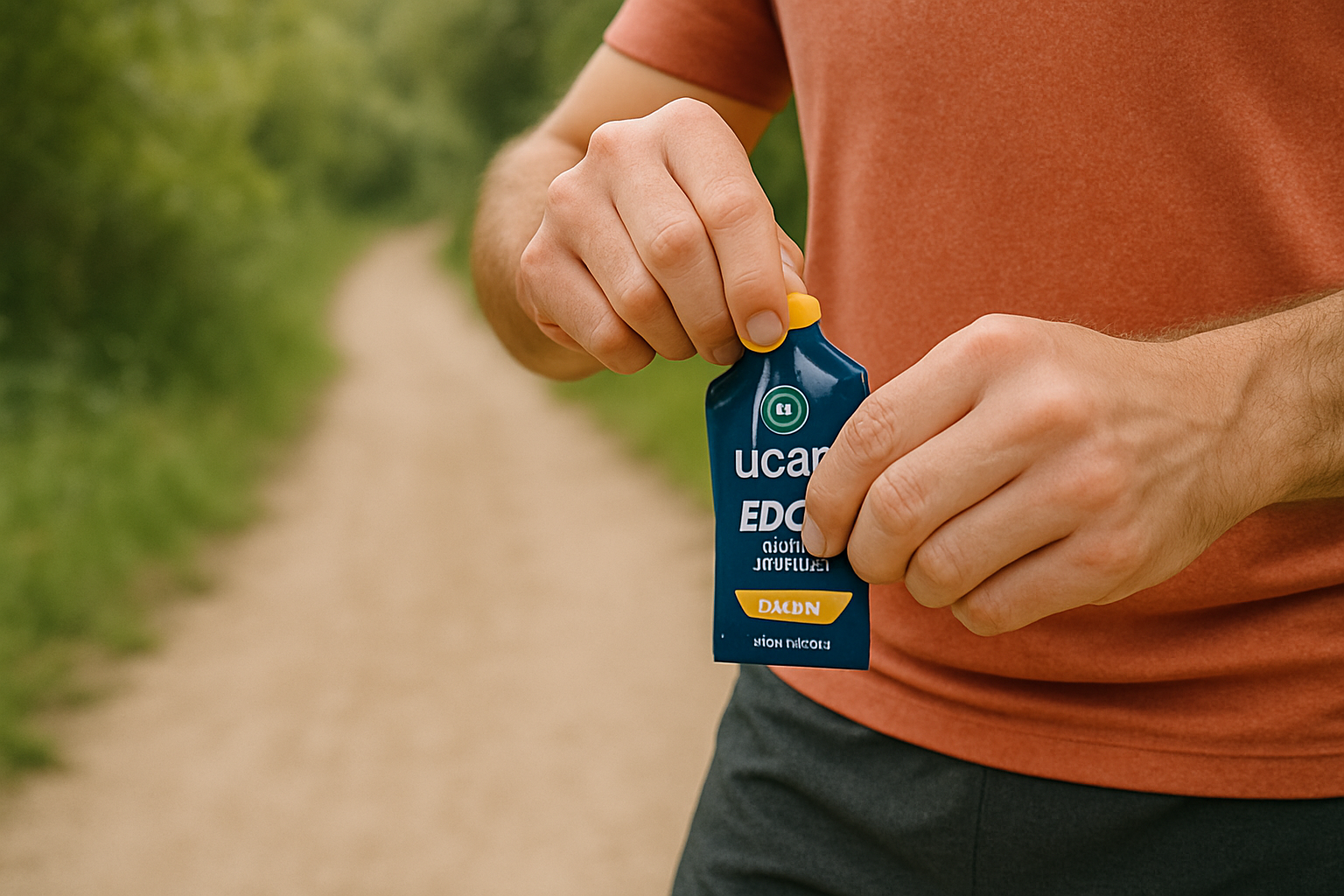
Bonking halfway through a long run is miserable — and avoidable. Smart fueling is the key to steady energy. UCANstands out because its SuperStarch delivers a slow, steady release of carbs without sugar spikes or crashes. Mix UCAN Energy Powder in your pre-run drink or carry UCAN Edge Energy Gel on the run. Train your stomach by testing these products during long runs so you know exactly what works on race day.
Dehydration can sneak up on you, especially during long training runs. Sweat doesn’t just cost you water — it also depletes sodium and other electrolytes that help your muscles fire properly. Drink water throughout the day, and during runs over an hour, add electrolytes like Nuun Sport Tablets to your bottle. They’re portable, tasty, and help keep your performance steady even on hot, humid days.
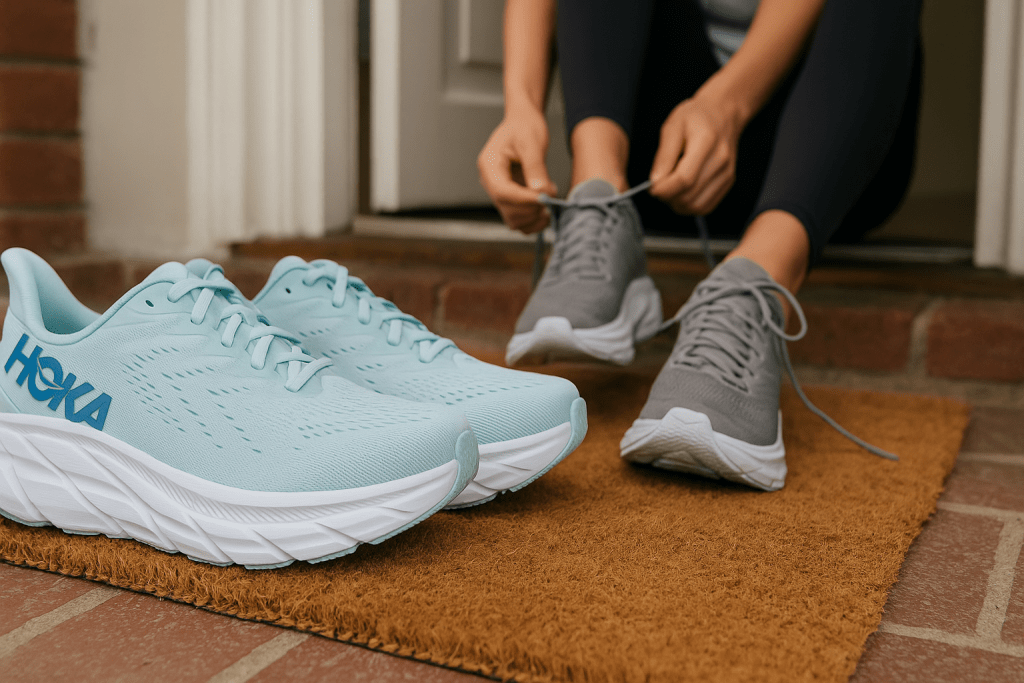
Your shoes are your biggest defense against injury. Get fitted at a running store — they’ll analyze your gait and recommend models that support your stride. Once you find your match, stick with it and replace your shoes every 300–500 miles. Trust us: your knees and hips will thank you. Many marathoners swear by HOKAshoes for their plush cushioning and responsive feel, perfect for soaking up mile after mile on pavement.
Rest is not lazy — it’s essential. Muscles rebuild and grow stronger during downtime, not during training stress. Prioritize 7–9 hours of sleep, and after tough runs, spend time foam rolling or using percussive therapy to work out tight spots. The TheragunMini is a compact massage gun that melts away knots and speeds up recovery. Pair this with light yoga or a swim day to keep blood flowing without pounding your joints.
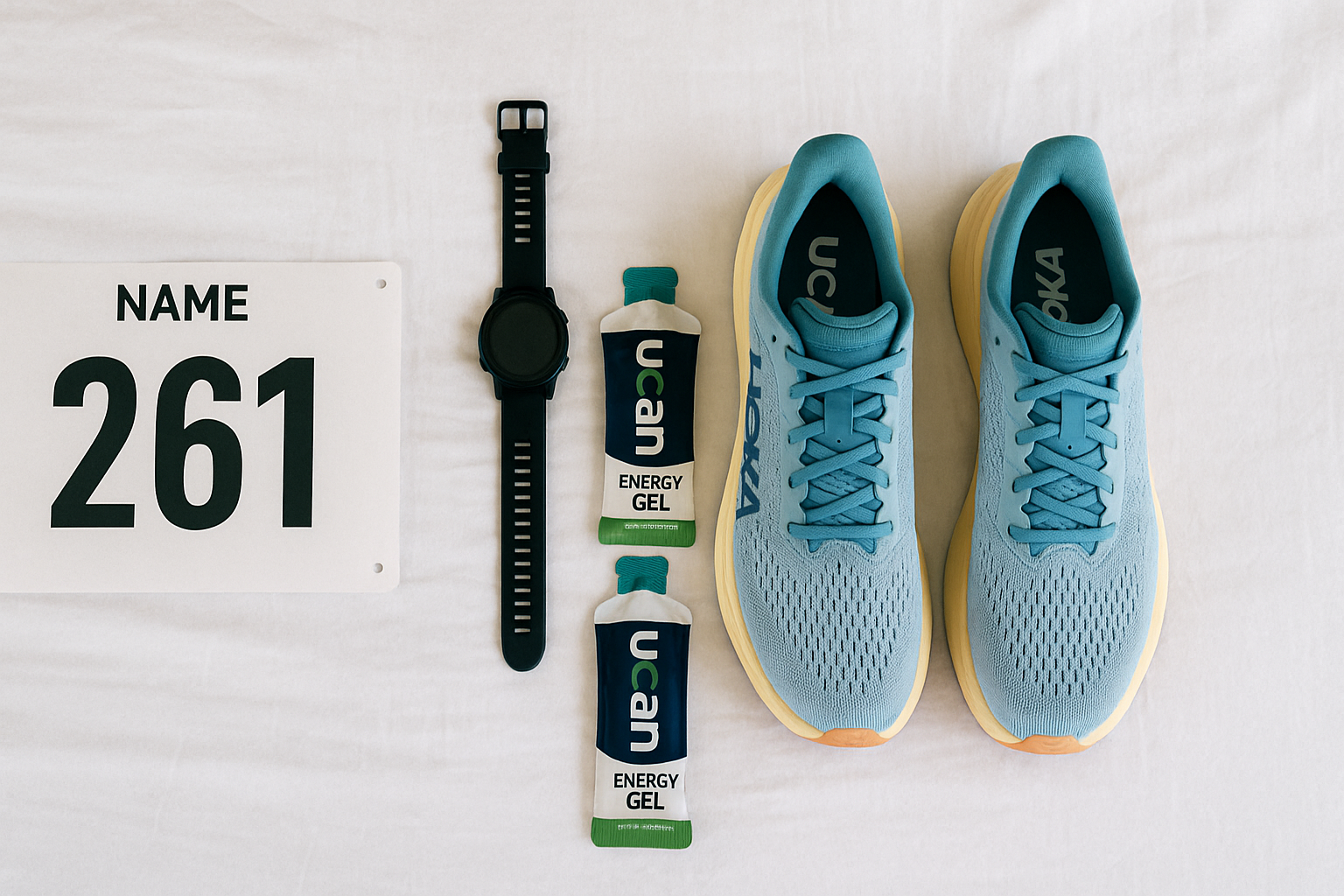
Never introduce something new on race day — your stomach will rebel. During training, rehearse exactly what you’ll eat the night before, for breakfast, and mid-run. Do a “dress rehearsal” by eating your pre-run meal, taking your UCAN Energy Gel at your planned intervals, and wearing your race kit. This way, your gut and gear are dialed in — no surprises, just steady miles.
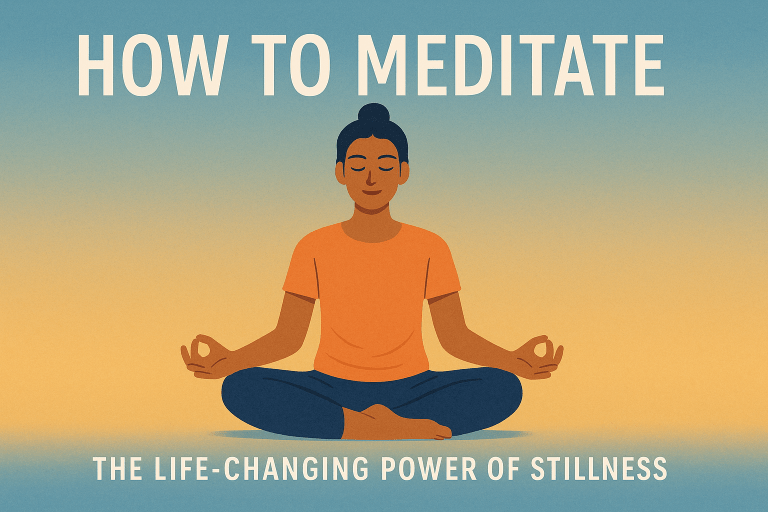
A marathon tests your mind as much as your muscles. Long runs are your chance to practice mental tricks: break the distance into segments, focus on your breath, and use mantras to push through tough patches. Guided meditation apps like Headspace offer performance-focused mindfulness sessions that help runners stay calm, focused, and positive — even at mile 20 when it feels impossible.
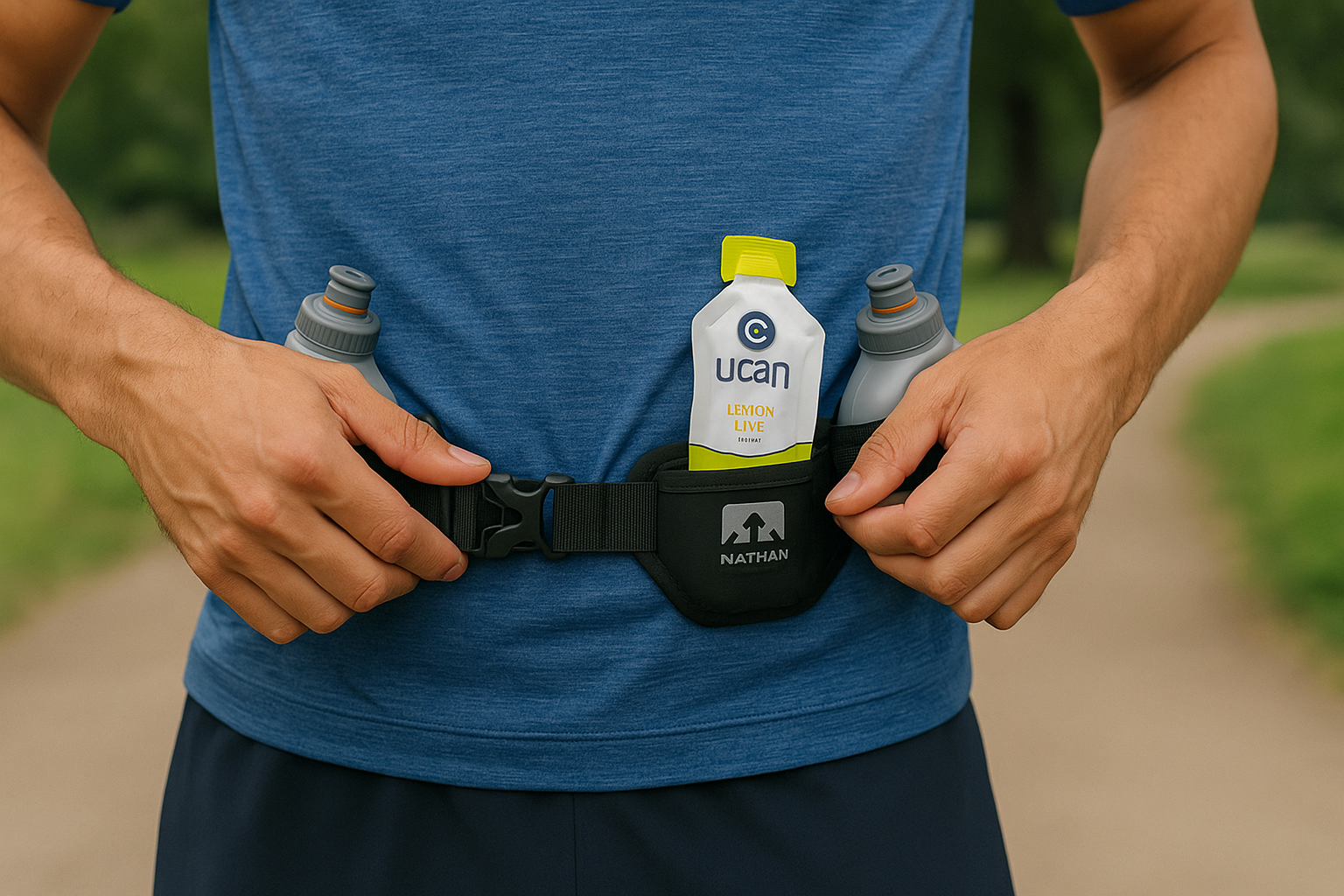
Blisters or chafing can turn a great run into misery. Test every piece of clothing during long runs — your socks, shorts, shoes, even your hat. Use anti-chafing balm on sensitive spots and make sure your hydration system is bounce-free and comfortable. The NathanHydration Belt is lightweight and stable, keeping your UCAN gels and electrolytes within easy reach.
The final weeks before your marathon are about sharpening, not gaining fitness. Cut mileage by 30–50% in the last 2–3 weeks while keeping some intensity. This lets your muscles rebuild fully, stores up glycogen, and ensures you feel fresh on race day. Trust that you’ve put in the work — resist the urge to squeeze in “just one more long run.” For more science-backed insights, dive into Matt Fitzgerald’s “The New Rules of Marathon and Half-Marathon Nutrition” — it’s a classic for a reason.
Preparing for a marathon means thinking ahead and respecting your body every step of the way. From smart training and balanced fueling with UCAN, to the right shoes, hydration, and mental prep — you’ve got a solid plan for success.
📌 Bookmark this list, get your gear, and start your journey to the finish line — one smart mile at a time.